
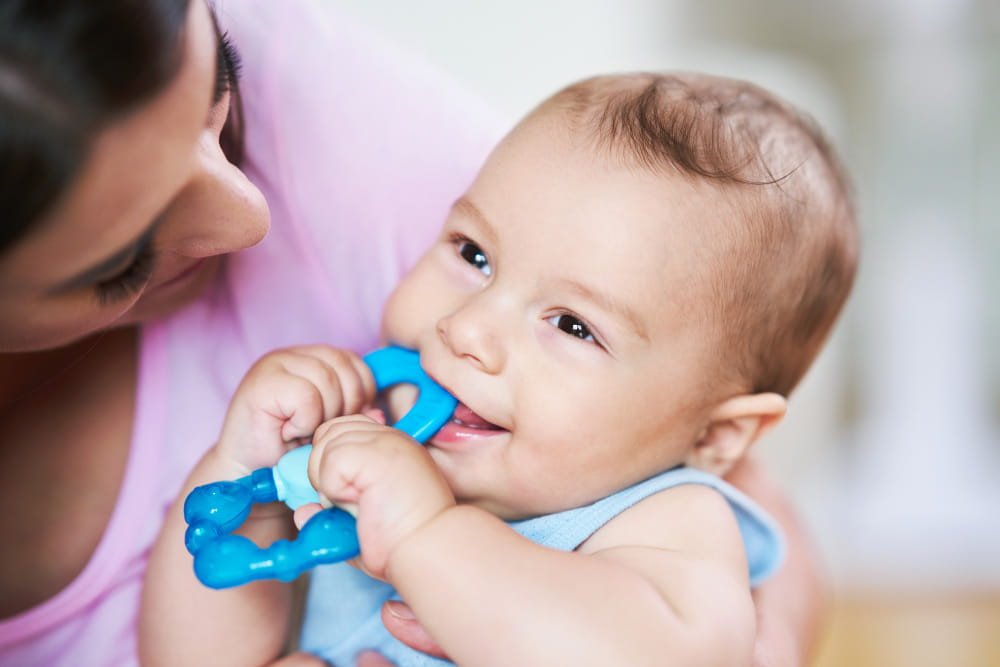
Teething is an important milestone in your baby’s growth journey. It marks the time when the first teeth begin to emerge through the gums. While this stage is exciting for parents, it can also be uncomfortable for babies and stressful for caregivers.
At Nest Newborn and Children’s Hospital, we help parents understand what to expect during teething and how to manage symptoms safely. With the right care and patience, this phase can become much easier for both babies and families.
What Is Teething?
Teething is the process in which a baby’s primary teeth, also called milk teeth, begin to come through the gums. Most babies start teething between 4 and 7 months of age, though some may begin earlier or later.
The timing can vary from child to child. Some babies get their first tooth at 3 months, while others may not get one until after their first birthday.
Typical Order of Baby Teeth
Although every child is different, teeth often appear in this order:
- Lower front teeth
- Upper front teeth
- Side incisors
- First molars
- Canines
- Second molars
Most children have a full set of 20 milk teeth by age 3.
Common Symptoms of Teething in Babies
Teething can cause mild discomfort as the tooth pushes through the gums. Common symptoms include:
- Excessive drooling
- Chewing on fingers or toys
- Swollen or tender gums
- Irritability or fussiness
- Disturbed sleep
- Reduced appetite
- Pulling ears or rubbing cheeks
- Mild gum redness
These symptoms usually come and go as each tooth erupts.
Is Fever Normal During Teething?
Many parents believe teething causes high fever, diarrhea, or severe illness. In reality, teething may cause a slight rise in temperature due to irritation, but it should not cause high fever.
If your baby has a temperature above 100.4°F, persistent diarrhea, vomiting, or unusual lethargy, it may be due to infection rather than teething. Seek medical advice promptly.
Safe Remedies for Teething Pain
There are several gentle and effective ways to comfort a teething baby.
1. Chilled Teething Ring
A cool teething ring can soothe sore gums. Chill it in the refrigerator, not the freezer, as extreme cold may hurt the gums.
2. Gentle Gum Massage
Wash your hands and gently rub the baby’s gums with a clean finger for a few minutes.
3. Clean Cold Cloth
A clean damp cloth cooled in the fridge can be offered for chewing under supervision.
4. Extra Comfort and Cuddling
Babies may become clingy during teething. Extra affection helps them feel secure.
5. Pediatrician Approved Pain Relief
If discomfort is significant, consult your pediatrician for safe medication and correct dosage.
Remedies to Avoid
Some products or practices may be unsafe.
Avoid:
- Teething gels with numbing ingredients unless prescribed
- Necklaces or bracelets made for teething due to choking risk
- Hard foods that may break into choking pieces
- Alcohol or herbal rubs
- Frozen objects that can injure gums
Always choose safe, age-appropriate solutions.
Feeding Tips During Teething
Some babies eat less during teething because their gums feel sore.
Helpful feeding tips:
- Offer soft foods like mashed banana, curd, porridge, or puree
- Serve foods slightly cool if your baby accepts solids
- Continue breastfeeding or formula feeding regularly
- Offer smaller, frequent meals
Temporary appetite changes are common and usually improve after the tooth emerges.
Sleep Changes During Teething
Teething discomfort may disturb sleep, especially at night.
To help your baby sleep better:
- Maintain a calm bedtime routine
- Massage gums before sleep
- Keep the room comfortable and quiet
- Offer feeding if needed
- Provide reassurance without overstimulation
Sleep disruption is usually temporary.
Oral Care During Teething
Good oral hygiene should begin early.
Before Teeth Appear
Clean gums gently with a soft clean cloth after feeds.
After Teeth Erupt
Use a soft baby toothbrush and a tiny smear of fluoride toothpaste as advised by your pediatrician or dentist.
Healthy habits from the start help prevent cavities later.
When to Consult a Pediatrician
Visit your doctor if:
- Baby has high fever
- Refuses feeds for long periods
- Excessive crying that does not improve
- Swollen gums with pus or bleeding
- Delayed tooth eruption beyond expected range with other concerns
- Signs of dehydration
At Nest Newborn and Children’s Hospital, our pediatric team helps families distinguish normal teething symptoms from medical issues.
Common Parent Questions
My baby drools a lot. Is it normal?
Yes. Increased saliva is very common during teething.
Can teething cause diarrhea?
Teething itself does not directly cause diarrhea. Babies may chew more objects and pick up germs, which can lead to stomach issues.
My baby is 10 months old with no teeth. Should I worry?
Many healthy babies get teeth later. Discuss with your pediatrician during routine visits.
How Parents Can Stay Calm
Teething can test patience, especially when sleep is affected. Remember:
- Every baby experiences teething differently
- Symptoms are usually temporary
- Comfort measures often work well
- Consistency and calmness help babies feel secure
Your support is the most soothing remedy.
Final Thoughts
Teething in babies is a natural developmental stage that may bring temporary discomfort but also exciting milestones. Recognizing symptoms, using safe remedies, and maintaining gentle care can make the process smoother.
At Nest Newborn and Children’s Hospital, Nalgonda, we provide expert pediatric guidance for teething, feeding, growth, and every stage of early childhood development.
With patience, love, and the right care, your baby will smile through every new tooth.