
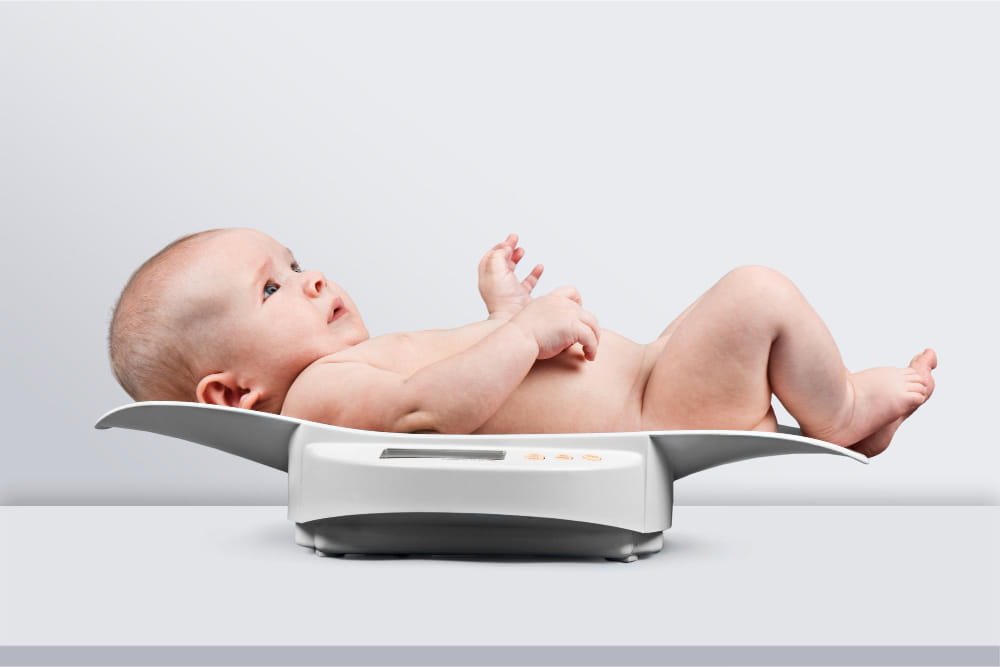
One of the most common concerns among new parents is whether their baby is gaining enough weight. Growth during infancy is a key indicator of overall health, nutrition, and development. While every baby grows at their own pace, understanding what is normal and when to take action can help parents feel more confident.
At Nest Newborn and Children’s Hospital, we support parents with accurate growth monitoring and personalized nutrition guidance to ensure every baby thrives.
Why Weight Gain Is Important in Babies
Weight gain reflects how well your baby is feeding and growing. Healthy weight gain supports brain development, strengthens immunity, and ensures proper organ function.
Poor weight gain over time may indicate feeding issues, nutritional deficiencies, or underlying health concerns. That is why regular monitoring is essential during the first year of life.
What Is Normal Weight Gain in Babies
Babies grow rapidly in the first year, especially during the first few months.
General growth patterns include:
- Newborns may lose some weight in the first few days after birth
- Most babies regain their birth weight by 10 to 14 days
- In the first 3 months, babies gain about 150 to 200 grams per week
- By 5 to 6 months, most babies double their birth weight
- By 12 months, babies usually triple their birth weight
These are general guidelines. Some babies may grow slightly faster or slower and still be healthy.
Factors That Affect Weight Gain
Several factors influence how a baby gains weight:
- Feeding method and frequency
- Mother’s milk supply in breastfeeding
- Baby’s ability to latch and feed effectively
- Premature birth or low birth weight
- Illness or infections
- Genetics and family growth patterns
Understanding these factors helps identify areas where improvement may be needed.
Signs Your Baby Is Gaining Well
- Regular wet diapers (6 to 8 per day)
- Active and alert behavior
- Meeting developmental milestones
- Steady increase in weight during checkups
- Good feeding pattern
If your baby shows these signs, growth is likely on track.
Signs of Poor Weight Gain
- Not gaining weight consistently
- Weak or poor feeding
- Excessive sleepiness or low energy
- Fewer wet diapers
- Delayed milestones
If you notice these signs, consult your pediatrician for evaluation.
Breastfeeding Tips to Improve Weight Gain
Breast milk is the best nutrition for babies in the first six months.
Tips for effective breastfeeding:
- Feed your baby on demand, usually every 2 to 3 hours
- Ensure proper latch for efficient feeding
- Allow the baby to finish one breast before switching
- Avoid skipping night feeds in early months
- Stay hydrated and maintain a healthy diet as a mother
Proper breastfeeding technique plays a major role in healthy weight gain.
Formula Feeding Guidance
If your baby is on formula, ensure correct preparation and feeding practices.
- Follow the recommended quantity and dilution
- Feed at regular intervals
- Use clean and sterilized feeding bottles
- Do not overfeed or force feed
Consult your pediatrician for the right formula type and feeding schedule.
Introducing Solid Foods
After 6 months, babies need additional nutrition along with milk.
Healthy food options include:
- Mashed fruits like banana or apple
- Soft rice, dal, or porridge
- Boiled and mashed vegetables
- Homemade khichdi or cereal
Introduce one food at a time and observe for any reactions. Gradually increase variety and quantity.
High-Calorie Healthy Foods for Babies
To support weight gain, include nutrient-rich foods:
- Breast milk or formula as primary nutrition
- Ghee in small quantities after 6 months
- Full-fat dairy like curd
- Eggs for protein
- Mashed potatoes or sweet potatoes
- Nut powders (if no allergy and age appropriate)
Balanced nutrition helps improve both weight and overall health.
Importance of Feeding Routine
A consistent feeding schedule helps babies get enough nutrition throughout the day.
- Feed at regular intervals
- Avoid distractions during feeding
- Create a calm environment
- Watch hunger cues such as sucking fingers or fussiness
Routine feeding ensures steady growth and better digestion.
When to Consult a Pediatrician
Seek medical advice if your baby:
- Is not gaining weight for several weeks
- Refuses feeds regularly
- Has frequent vomiting or diarrhea
- Appears weak or inactive
- Was born premature or with low birth weight
At Nest Newborn and Children’s Hospital, our pediatricians monitor growth using standard charts and provide customized feeding plans for each baby.
Common Mistakes Parents Should Avoid
- Comparing your baby with others
- Forcing the baby to eat more than needed
- Switching feeding methods frequently
- Ignoring feeding cues
- Introducing solids too early
Every baby is unique, and growth should be assessed individually.
Final Thoughts
Weight gain in babies is an important indicator of health, but it should always be seen along with overall development and activity. With proper feeding, care, and regular checkups, most babies achieve healthy growth naturally.
At Nest Newborn and Children’s Hospital, Nalgonda, we provide expert pediatric care, growth monitoring, and nutrition guidance to support your baby’s development at every stage.
With the right approach and timely support, your baby can grow strong, healthy, and happy.