
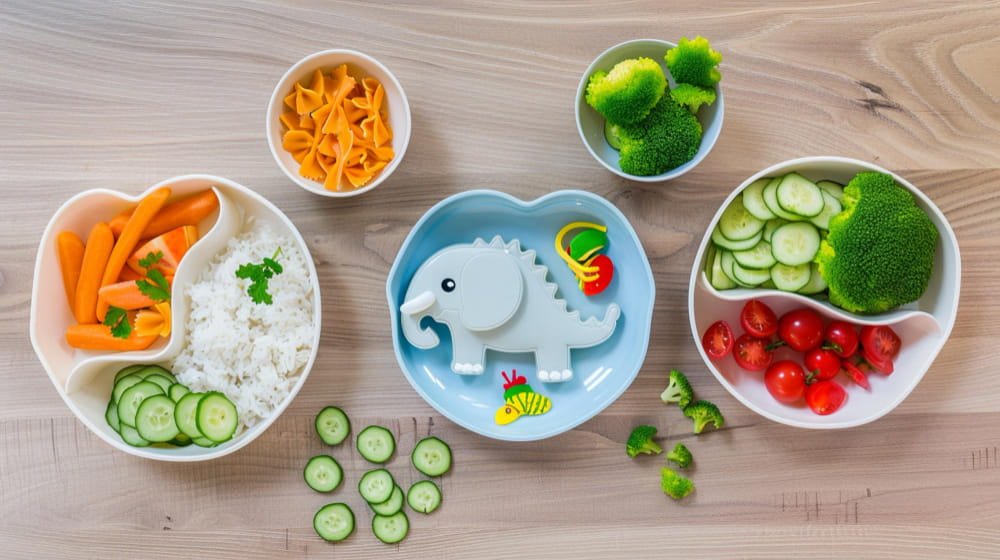
A child’s brain grows rapidly during the early years of life and continues developing through adolescence. Proper nutrition during this period plays a major role in memory, concentration, learning ability, emotional balance, and overall development. Parents often focus on height and weight, but brain health is just as important.
At Nest Newborn and Children’s Hospital, we encourage parents to build healthy eating habits early because the right foods can positively influence brain function and long-term success. This guide explains the best foods for brain development in children and how to include them in daily meals.
Why Nutrition Matters for Brain Development
The brain needs a constant supply of nutrients to build nerve connections, produce neurotransmitters, and maintain healthy cells. During childhood, poor nutrition can affect attention span, behavior, learning speed, and immunity.
Essential nutrients such as healthy fats, protein, iron, zinc, vitamins, and antioxidants support healthy brain growth. A balanced diet helps children perform better in school and stay emotionally stable.
1. Eggs for Memory and Concentration
Eggs are one of the best foods for growing children. They contain protein and choline, an important nutrient that supports memory and brain cell communication.
Benefits of eggs:
- Supports learning and memory
- Helps concentration
- Provides energy for active children
Serve boiled eggs, omelets, or scrambled eggs depending on the child’s age.
2. Fatty Fish for Omega 3
Fish such as salmon, sardines, and mackerel are rich in omega 3 fatty acids. These healthy fats are important for brain structure and function.
Benefits of omega 3:
- Improves memory
- Supports attention span
- Helps emotional health
- Supports vision development
For children who do not eat fish, consult your pediatrician about plant sources or supplements.
3. Milk and Dairy Products
Milk, curd, paneer, and yogurt provide protein, calcium, iodine, and B vitamins that help brain function and nerve signaling.
Benefits of dairy:
- Supports brain and bone growth
- Helps energy production
- Aids healthy sleep patterns
Choose age-appropriate servings and avoid sugary flavored products.
4. Nuts and Seeds
Almonds, walnuts, flaxseeds, pumpkin seeds, and sunflower seeds are rich in healthy fats, zinc, magnesium, and Vitamin E.
Benefits:
- Supports memory and concentration
- Protects brain cells
- Helps stable energy levels
For younger children, use powdered or paste forms to avoid choking risk.
5. Fruits Rich in Antioxidants
Fruits like blueberries, oranges, bananas, apples, and berries help protect the brain from oxidative stress.
Best options:
- Banana for quick energy
- Orange for Vitamin C
- Apple for fiber
- Berries for antioxidants
Fresh fruits are better than packaged juices.
6. Green Leafy Vegetables
Spinach, fenugreek, broccoli, and other greens provide folate, iron, and Vitamin K, which are linked to better brain health.
Benefits:
- Supports cognitive development
- Helps blood flow to the brain
- Prevents iron deficiency
Add greens to parathas, dal, soups, or rice dishes.
7. Whole Grains for Steady Energy
Children need consistent energy for learning and play. Whole grains release energy slowly and help maintain focus.
Examples:
- Oats
- Brown rice
- Whole wheat roti
- Millet
- Quinoa
These foods help avoid sudden energy crashes caused by sugary snacks.
8. Beans and Lentils
Beans, chickpeas, and lentils are rich in protein, iron, and complex carbohydrates.
Benefits:
- Supports concentration
- Helps healthy growth
- Provides lasting energy
Dal, rajma, chana, and sprouts are excellent additions to meals.
9. Dark Chocolate in Moderation
For older children, small amounts of dark chocolate can be included occasionally. It contains flavonoids that may support blood flow to the brain.
Choose low-sugar varieties and use only as an occasional treat.
10. Water for Brain Performance
Hydration is often overlooked. Even mild dehydration can affect attention, mood, and memory.
Encourage children to drink water regularly, especially during school and playtime.
Nutrients That Matter Most
Iron
Low iron levels can reduce concentration and learning ability.
Sources: spinach, lentils, meat, jaggery, beans
Protein
Needed for brain chemicals and growth.
Sources: eggs, dairy, pulses, fish, chicken
Healthy Fats
Important for brain cell structure.
Sources: fish, nuts, seeds, avocado
Zinc
Supports memory and immunity.
Sources: seeds, dairy, beans, nuts
B Vitamins
Help nerve health and energy.
Sources: milk, eggs, whole grains, leafy vegetables
Foods to Limit for Better Brain Health
Too much processed food can negatively affect mood, focus, and energy.
Limit:
- Sugary drinks
- Packaged snacks
- Excess junk food
- Highly processed sweets
- Too much fast food
Occasional treats are fine, but daily habits matter most.
Smart Meal Ideas for Kids
Breakfast
Egg, milk, fruit, whole grain toast
Lunch
Rice or roti, dal, vegetables, curd
Snack
Banana with nuts or yogurt with fruit
Dinner
Chapati, paneer or chicken, vegetables
Balanced meals support all-day energy and learning.
Tips for Picky Eaters
Many children refuse healthy foods. Try these methods:
- Offer small portions repeatedly
- Make plates colorful
- Involve children in meal preparation
- Be patient and avoid force feeding
- Set regular meal times
- Be a role model by eating healthy foods yourself
When to Consult a Pediatrician
Seek expert advice if your child has:
- Poor appetite for long periods
- Low energy levels
- Difficulty concentrating
- Slow growth
- Frequent illness
- Very selective eating habits
At Nest Newborn and Children’s Hospital, our pediatricians provide nutrition guidance tailored to each child’s growth stage and needs.
Final Thoughts
The best foods for brain development in children are simple, natural, and easily available. A balanced diet rich in protein, healthy fats, fruits, vegetables, and whole grains helps children think better, learn faster, and grow stronger.
At Nest Newborn and Children’s Hospital, Nalgonda, we believe good nutrition is the foundation of lifelong health and success. Start healthy eating habits early, and your child’s brain will benefit for years to come.