
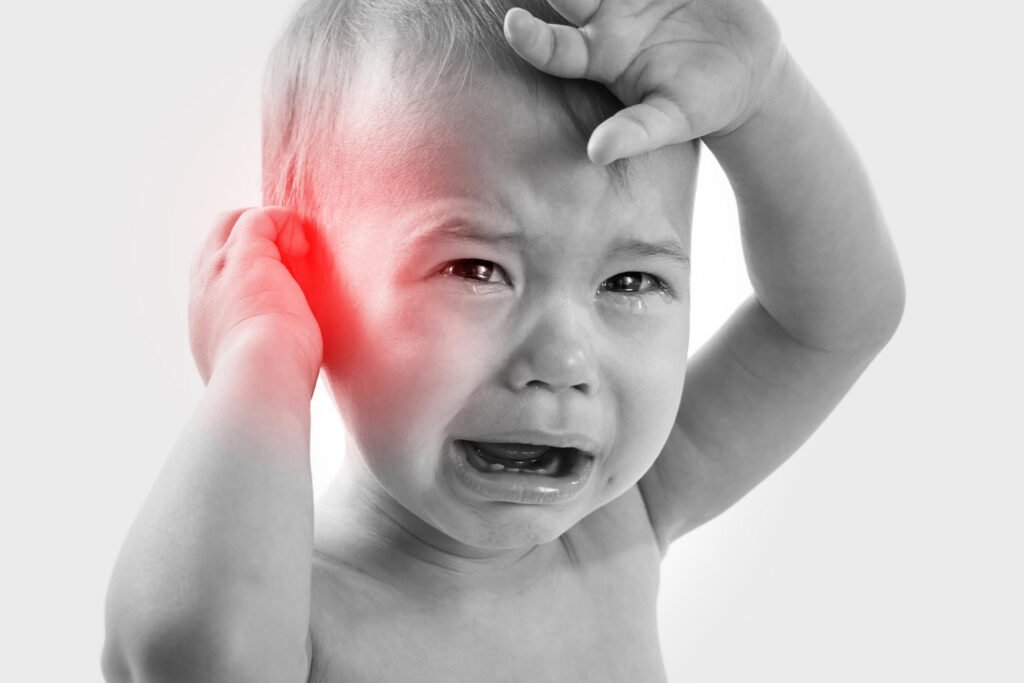
Ear infections in children are common health conditions that can cause pain, discomfort, fever, and irritability. Young children are more likely to develop ear infections because their ear structures are still developing, making it easier for bacteria or viruses to affect the middle ear. Recognizing the signs early and seeking proper pediatric care help prevent complications and support faster recovery.
Understanding Ear Infections in Children
Ear infections usually occur when fluid builds up behind the eardrum due to bacterial or viral infections. These infections often develop after colds, throat infections, or respiratory illnesses. Children are more vulnerable because their immune systems are still developing, and the ear canal structure differs from that of adults.
Common Signs of Ear Infections
Recognizing ear infection symptoms early is important for timely treatment. One of the most common signs is ear pain, especially in younger children who may pull or rub their ears frequently. Children may also become irritable, cry more than usual, or have difficulty sleeping.
Other symptoms can include fever, reduced hearing, fluid discharge from the ear, poor feeding, and balance problems. Some children may also develop congestion or cold-like symptoms before the infection appears.
Causes and Risk Factors
Several factors can increase the risk of ear infections in children. Frequent colds, allergies, exposure to smoke, and seasonal infections are common contributing factors. Children who attend daycare or spend time in crowded environments may also have a higher risk of infections.
Bottle feeding while lying down and poor immunity can sometimes increase susceptibility to ear infections.
Importance of Early Pediatric Care
Early pediatric care helps reduce pain, prevent worsening infection, and protect hearing health. Medical evaluation allows doctors to determine whether the infection is bacterial or viral and recommend appropriate treatment.
Timely treatment also helps prevent complications such as repeated infections or hearing difficulties.
Treatment and Recovery Care
Treatment depends on the severity and cause of the infection. Some mild infections may improve with supportive care and monitoring, while others may require medications to control infection and reduce discomfort.
Ensuring adequate rest, hydration, and proper nutrition helps support recovery. Parents should also avoid inserting objects into the child’s ear and follow medical advice carefully.
Prevention Tips for Ear Infections
Simple preventive measures can help reduce the risk of ear infections in children. Encouraging regular hand washing, protecting children from respiratory infections, and avoiding exposure to smoke are important steps. Keeping vaccinations up to date also supports better immunity and infection prevention.
Breastfeeding and maintaining good hygiene practices may also help lower infection risk.
When to Seek Medical Attention
Medical consultation is important if a child develops severe ear pain, persistent fever, hearing difficulty, fluid discharge from the ear, or repeated infections. Immediate pediatric care may be required if symptoms worsen or the child appears unusually weak or uncomfortable.
Conclusion
Ear infections in children are common but manageable with early recognition and proper pediatric care. Understanding the signs, causes, and preventive measures helps parents protect their child’s hearing and overall health. Timely medical attention, healthy hygiene habits, and supportive care play an important role in ensuring faster recovery and long-term ear health.