
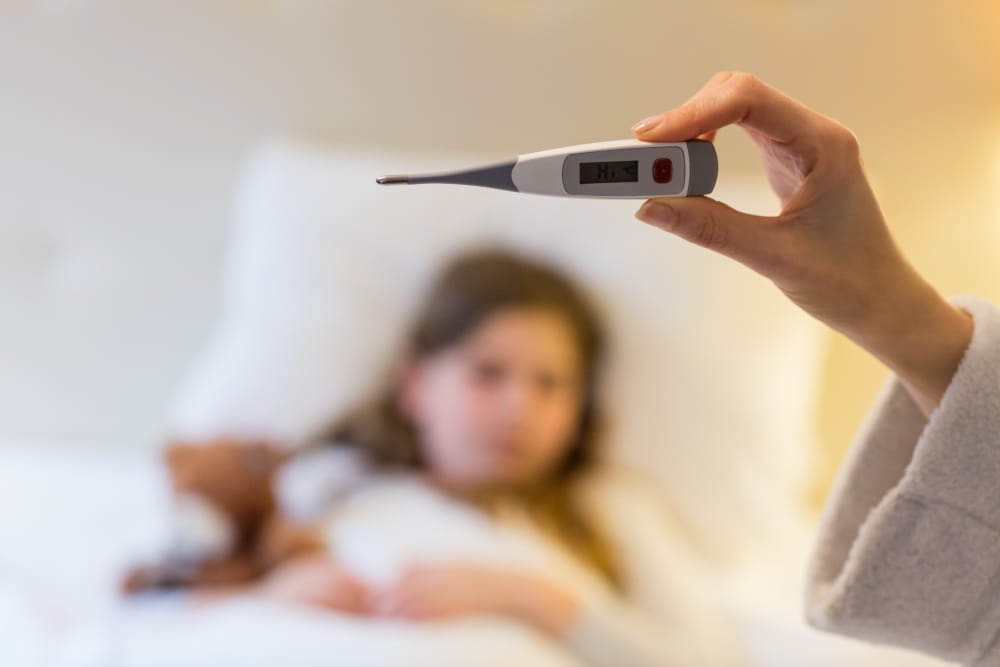
As the seasonal illnesses in children, children become more vulnerable to infections and illnesses. Monsoon rains, fluctuating temperatures, increased humidity, and mosquito breeding create conditions that allow viruses and bacteria to spread more easily.
Among the most common health concerns during seasonal changes are dengue fever, viral fever, flu, respiratory infections, and stomach infections. While many illnesses are mild and resolve with proper care, some can become serious if not recognized and treated early.
At Nest Newborn and Children’s Hospital, we help parents understand the signs, symptoms, and prevention strategies for seasonal illnesses so children can stay healthy throughout the year.
Why Are Children More Susceptible to Seasonal Illnesses?
Children have developing immune systems, making them more vulnerable to infections than adults.
Several factors increase the risk:
- Close contact with other children in schools and daycare centers
- Exposure to mosquitoes and insects
- Seasonal changes affecting immunity
- Poor hygiene practices
- Inadequate nutrition and hydration
Understanding these risks helps parents take preventive measures before illnesses occur.
Understanding Dengue in Children
Dengue is a mosquito-borne viral infection transmitted through the bite of infected Aedes mosquitoes. Cases often increase during and after the rainy season because stagnant water provides ideal breeding grounds for mosquitoes.
Common Symptoms of Dengue
Symptoms usually appear within a few days after infection and may include:
- Sudden high fever
- Severe headache
- Pain behind the eyes
- Muscle and joint pain
- Skin rash
- Nausea and vomiting
- Weakness and fatigue
In some children, symptoms may initially resemble common viral fever, making early medical evaluation important.
Warning Signs of Severe Dengue
Although most children recover well, severe dengue can become life-threatening.
Seek immediate medical attention if your child develops:
- Severe abdominal pain
- Persistent vomiting
- Bleeding from gums or nose
- Blood in stool or vomit
- Extreme weakness
- Difficulty breathing
- Unusual sleepiness or confusion
Early diagnosis and treatment can significantly improve outcomes.
What Is Viral Fever?
Viral fever refers to a fever caused by a viral infection. It is one of the most common illnesses seen in children.
Viruses can affect different parts of the body, including:
- Respiratory system
- Digestive system
- Skin
- Nervous system
Most viral fevers improve within a few days with rest, hydration, and supportive care.
Common Symptoms of Viral Fever
Children with viral fever may experience:
- Fever
- Runny nose
- Cough
- Sore throat
- Body aches
- Tiredness
- Mild headache
- Reduced appetite
Symptoms vary depending on the virus involved.
Seasonal Flu in Children
Influenza, commonly known as the flu, is another seasonal illness that affects many children every year.
Symptoms Include
- High fever
- Chills
- Cough
- Sore throat
- Muscle pain
- Fatigue
- Headache
Children under five years of age may be at higher risk of complications, making timely medical care important.
Respiratory Infections During Seasonal Changes
Respiratory infections increase significantly during seasonal transitions.
Common conditions include:
- Common cold
- Bronchiolitis
- Sinus infections
- Pneumonia
Symptoms may include:
- Persistent cough
- Breathing difficulty
- Wheezing
- Nasal congestion
- Fever
Prompt treatment helps prevent complications.
Stomach Infections and Seasonal Gastroenteritis
Many children develop stomach infections during warmer months and monsoon seasons due to contaminated food and water.
Symptoms
- Diarrhea
- Vomiting
- Abdominal pain
- Fever
- Dehydration
Ensuring safe drinking water and proper hand hygiene can significantly reduce the risk.
How to Differentiate Dengue from Viral Fever
Many parents find it difficult to distinguish between dengue and common viral fever.
Viral Fever
- Usually associated with cough and cold symptoms
- Improves within a few days
- Mild to moderate weakness
Dengue
- High persistent fever
- Severe body pain
- Significant weakness
- Possible skin rash
- Platelet count may decrease
A pediatric evaluation and laboratory tests help confirm the diagnosis.
Home Care Tips for Seasonal Illnesses
When a child develops fever or mild illness, proper home care can support recovery.
Encourage Hydration
Offer:
- Water
- Oral rehydration solutions
- Soups
- Coconut water
- Fresh fluids
Hydration is especially important during fever and dengue.
Ensure Adequate Rest
Rest helps the immune system fight infections more effectively.
Provide Nutritious Foods
Offer easy-to-digest foods such as:
- Rice
- Dal
- Fruits
- Vegetable soups
- Khichdi
Avoid oily and heavily processed foods during illness.
Monitor Symptoms
Track:
- Temperature
- Fluid intake
- Urine output
- Activity level
Consult a doctor if symptoms worsen.
Preventing Dengue in Children
Prevention remains the best protection against dengue.
Reduce Mosquito Breeding
- Empty stagnant water containers
- Clean water tanks regularly
- Cover storage containers
- Change water in flower pots frequently
Protect Children from Mosquito Bites
- Use mosquito nets
- Dress children in full-sleeved clothing
- Apply child-safe mosquito repellents
- Keep windows screened
These simple measures can greatly reduce dengue risk.
Strengthening Immunity Against Seasonal Illnesses
A strong immune system helps children fight infections more effectively.
Healthy Immunity Habits
- Balanced nutrition
- Adequate sleep
- Regular physical activity
- Good hydration
- Up-to-date vaccinations
- Proper hand hygiene
Healthy habits throughout the year reduce the frequency of illness.
When Should Parents Consult a Pediatrician?
Seek medical care if your child experiences:
- Fever lasting more than three days
- Difficulty breathing
- Persistent vomiting
- Severe weakness
- Signs of dehydration
- Seizures
- Unusual drowsiness
- Suspected dengue symptoms
Early intervention can prevent complications and support faster recovery.
The Role of Vaccination in Preventing Seasonal Illnesses
Vaccines help protect children from several serious infections.
Recommended vaccinations may include:
- Influenza vaccine
- Routine childhood immunizations
- Other vaccines as advised by your pediatrician
Timely vaccination is one of the most effective ways to reduce the burden of infectious diseases.
Final Thoughts
Dengue, viral fever, and seasonal illnesses are common among children, especially during changing weather conditions. While most cases are manageable with proper care, recognizing warning signs and seeking timely medical attention are essential for preventing serious complications.
At Nest Newborn and Children’s Hospital, Nalgonda, our pediatric specialists provide comprehensive care for fever, infections, dengue, respiratory illnesses, and other childhood health concerns. We are committed to helping children recover quickly and stay healthy through every season.
By focusing on prevention, hygiene, nutrition, and timely medical care, parents can significantly reduce the impact of seasonal illnesses and ensure their children enjoy a healthier future.