
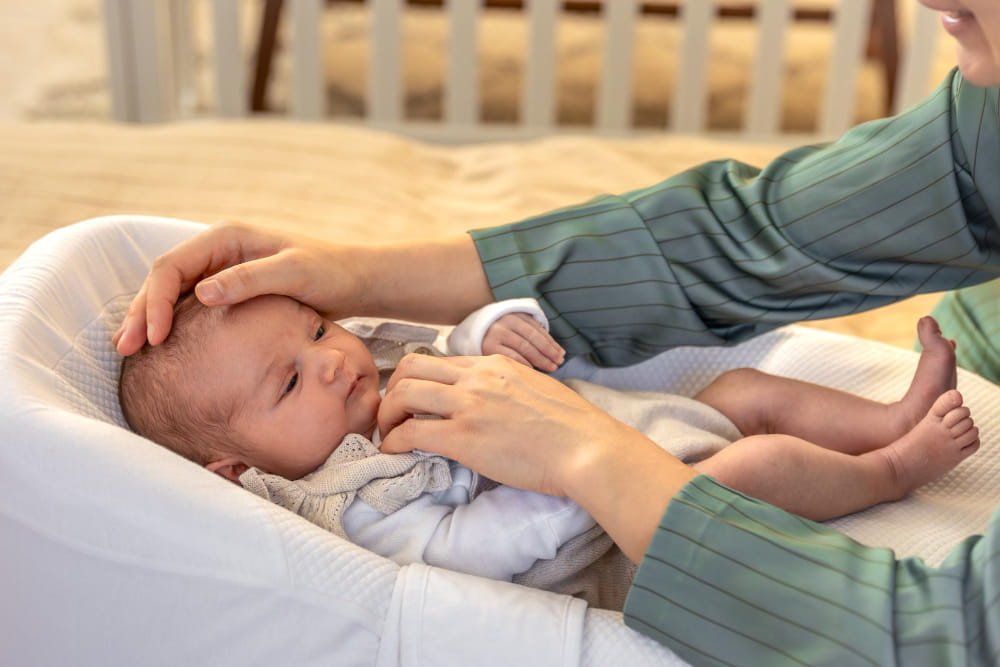
Many parents become worried when they notice their newborn hiccupping several times a day. The sudden rhythmic movements can seem unusual, especially for first-time parents. However, the good news is that hiccups are extremely common in newborn babies and are usually completely harmless.
In fact, many babies begin hiccupping even before birth while still in the womb. Therefore, occasional hiccups are generally considered a normal part of newborn development.
At Nest Newborn and Children’s Hospital, we often reassure parents that newborn hiccups rarely indicate a medical problem. Understanding why hiccups occur and knowing how to manage them can help parents feel more confident and less anxious.
What Are Hiccups?
Hiccups occur when the diaphragm, a muscle located below the lungs, suddenly contracts. As a result, the vocal cords close briefly, producing the familiar “hic” sound.
Although hiccups may seem uncomfortable to adults, newborn babies are usually not bothered by them. In many cases, babies continue sleeping, feeding, or playing normally despite hiccupping.
Are Hiccups Normal in Newborns?
Yes, hiccups are completely normal in newborns.
In fact, newborns and young infants experience hiccups much more frequently than older children and adults. This happens because their digestive and nervous systems are still developing.
Most babies experience hiccups:
- Several times a day
- After feeding
- During periods of excitement
- Without any signs of discomfort
Therefore, occasional hiccups should not be a cause for concern.
Why Do Newborns Get Hiccups?
Several factors can trigger hiccups in babies.
1. Feeding Too Quickly
When babies feed rapidly, they may swallow excess air along with milk. Consequently, the stomach expands and can irritate the diaphragm.
This irritation may trigger hiccups shortly after feeding.
2. Overfeeding
A very full stomach can place pressure on the diaphragm.
As a result, babies who consume large amounts of milk in a short period may develop hiccups more frequently.
3. Swallowing Air During Feeding
Air swallowing is common during both breastfeeding and bottle feeding.
Furthermore, poor latching or incorrect bottle positioning may increase the amount of air a baby swallows.
4. Gastroesophageal Reflux
Some babies experience reflux, a condition where stomach contents move back toward the food pipe.
In certain cases, reflux can irritate the diaphragm and contribute to frequent hiccups.
5. Immature Nervous System
Newborns have developing nervous systems that are still learning to coordinate breathing and digestion.
Therefore, hiccups may occur more often during the first few months of life.
How Long Do Newborn Hiccups Last?
Most hiccup episodes last only a few minutes.
Occasionally, they may continue for 10 to 20 minutes before stopping naturally. In most situations, babies remain calm and comfortable throughout the episode.
Fortunately, hiccups usually become less frequent as babies grow older.
Do Hiccups Hurt Babies?
Parents often worry that hiccups may be painful.
However, most newborns are not bothered by them. In fact, babies frequently continue feeding, sleeping, or smiling while hiccupping.
If your baby appears comfortable, there is usually no need for concern.
How Can Parents Help a Baby with Hiccups?
Although hiccups often stop on their own, a few simple techniques may help reduce their frequency.
Burp Your Baby Regularly
Burping helps release trapped air from the stomach.
Try burping your baby:
- During feeding
- After feeding
- Whenever feeding is interrupted
This simple step may prevent excess air buildup.
Feed in an Upright Position
Keeping your baby slightly upright during feeding can help reduce air swallowing.
Additionally, maintaining an upright position for 20 to 30 minutes after feeding may support digestion.
Ensure Proper Latching
For breastfeeding mothers, a proper latch helps the baby feed efficiently while swallowing less air.
Likewise, bottle-fed babies should use appropriately sized bottle nipples to minimize air intake.
Avoid Overfeeding
Smaller, more frequent feeds may help prevent excessive stomach fullness.
Consequently, the diaphragm experiences less pressure.
Keep Feeding Time Calm
A calm environment helps babies feed more slowly and comfortably.
Furthermore, reducing distractions may decrease air swallowing during feeding.
What Should Parents Avoid?
Some traditional remedies are not recommended for newborns.
Avoid:
- Pulling the baby’s tongue
- Pressing on the eyeballs
- Giving water to newborns
- Startling the baby
- Using unapproved home remedies
These methods may be unsafe and are generally unnecessary.
Can Hiccups Occur During Sleep?
Yes, newborns can hiccup while sleeping.
In fact, some babies experience hiccups without waking up. Since hiccups are usually harmless, sleeping babies often do not need to be disturbed.
However, if the hiccups appear to interfere with feeding or sleeping regularly, consult your pediatrician.
When Are Hiccups a Sign of a Problem?
Although hiccups are usually normal, parents should seek medical advice if:
- Hiccups occur very frequently and seem excessive
- The baby appears distressed during episodes
- Feeding becomes difficult
- Poor weight gain is noticed
- Frequent vomiting accompanies hiccups
- Symptoms of reflux become severe
A pediatric evaluation can help identify any underlying issues.
The Connection Between Hiccups and Reflux
Some babies with gastroesophageal reflux may experience:
- Frequent hiccups
- Spitting up after feeds
- Irritability during feeding
- Arching of the back
- Poor feeding
However, not all babies with hiccups have reflux. Therefore, medical assessment is important when symptoms are persistent.
Common Myths About Newborn Hiccups
Myth: Hiccups Mean the Baby Is Sick
Most hiccups are completely normal and not related to illness.
Myth: Hiccups Cause Pain
In most cases, babies are not uncomfortable during hiccup episodes.
Myth: Hiccups Must Be Stopped Immediately
Generally, hiccups resolve naturally without treatment.
Myth: Giving Water Stops Hiccups
Newborns should not be given water unless specifically advised by a doctor.
When Should Parents Consult a Pediatrician?
Schedule a pediatric visit if your baby:
- Has persistent hiccups affecting daily activities
- Shows signs of reflux
- Experiences feeding difficulties
- Has poor growth or weight gain
- Appears unusually uncomfortable
At Nest Newborn and Children’s Hospital, our pediatric specialists can evaluate feeding habits, digestion, growth, and overall health to ensure your baby is developing normally.
Final Thoughts
Newborn hiccups are a common and normal part of early infancy. In most cases, they are harmless and gradually decrease as the baby’s digestive and nervous systems mature. While hiccups may seem concerning at first, they rarely indicate a serious problem.
At Nest Newborn and Children’s Hospital, Nalgonda, we are dedicated to helping parents understand every aspect of newborn care. Through expert guidance, regular checkups, and compassionate support, we help families navigate the exciting journey of raising a healthy baby.
Remember, occasional hiccups are usually just another sign that your baby’s body is growing and developing as expected.