
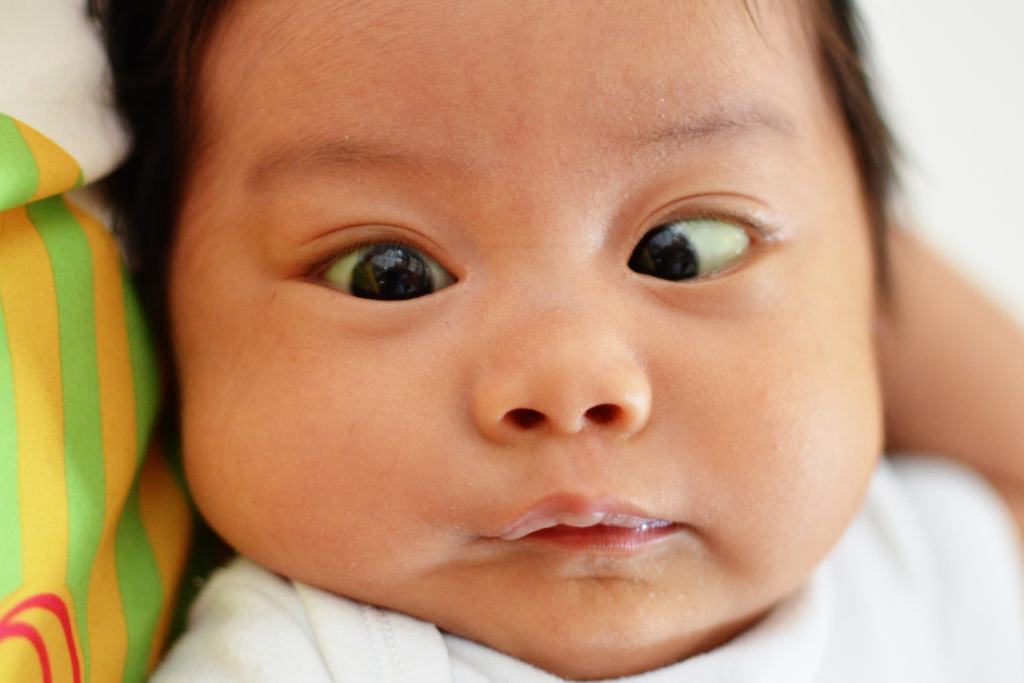
Jaundice in newborns is a common condition that causes yellowing of a baby’s skin and eyes during the first few days after birth. In many cases, newborn jaundice is temporary and improves with proper medical care. However, monitoring symptoms and seeking timely treatment are important to prevent complications and support healthy development. Understanding newborn jaundice symptoms and treatment care helps parents provide better support for their baby’s health.
Understanding Jaundice in Newborns
Jaundice occurs when there is an increased level of bilirubin in a baby’s blood. Bilirubin is a yellow pigment produced when red blood cells break down. Since a newborn’s liver is still developing, it may not remove bilirubin efficiently during the early days of life, leading to yellow discoloration of the skin and eyes.
Newborn jaundice is common, especially in premature babies, and often appears within the first week after birth.
Common Symptoms of Newborn Jaundice
Recognizing jaundice symptoms early is important for timely care. The most noticeable sign is yellowing of the skin and the white part of the eyes. The yellow color may first appear on the face and gradually spread to the chest, abdomen, arms, and legs.
Some babies may also appear sleepy, feed poorly, or become less active than usual. In severe cases, high bilirubin levels may affect a baby’s overall health and require immediate medical attention.
Causes and Risk Factors
Several factors can contribute to jaundice in newborns. Premature birth, blood group incompatibility, breastfeeding difficulties, and certain medical conditions may increase the risk. In some babies, the liver simply needs more time to process bilirubin effectively.
Close monitoring during the first days after birth helps identify babies who may require additional care.
Importance of Early Diagnosis
Early diagnosis helps prevent bilirubin levels from becoming dangerously high. Pediatric evaluation and monitoring allow doctors to assess the severity of jaundice and recommend appropriate treatment when needed.
Timely medical care is essential because untreated severe jaundice may lead to complications affecting brain and nervous system development.
Treatment Care for Newborn Jaundice
Treatment depends on the severity of jaundice and bilirubin levels. Mild jaundice often improves naturally with regular feeding and proper hydration. In some cases, doctors may recommend phototherapy, a treatment that uses special light to help break down bilirubin in the baby’s body.
Frequent feeding is important because it helps babies eliminate bilirubin through urine and stools.
Care Tips for Parents
Parents should observe their baby’s skin color, feeding habits, and activity levels carefully during the first weeks after birth. Ensuring regular feeding and attending scheduled pediatric check-ups are important for monitoring recovery.
If the yellow discoloration spreads or the baby becomes excessively sleepy or difficult to feed, medical attention should be sought immediately.
When to Seek Immediate Medical Care
Immediate pediatric consultation is important if jaundice appears within the first 24 hours after birth, spreads rapidly, or is associated with fever, poor feeding, excessive sleepiness, or unusual behavior.
Conclusion
Jaundice in newborns is a common condition that usually improves with timely monitoring and proper treatment care. Recognizing symptoms early and following pediatric guidance help support healthy recovery and prevent complications. Regular feeding, medical evaluation, and proper newborn care play an important role in maintaining a baby’s health during the early stages of life.