
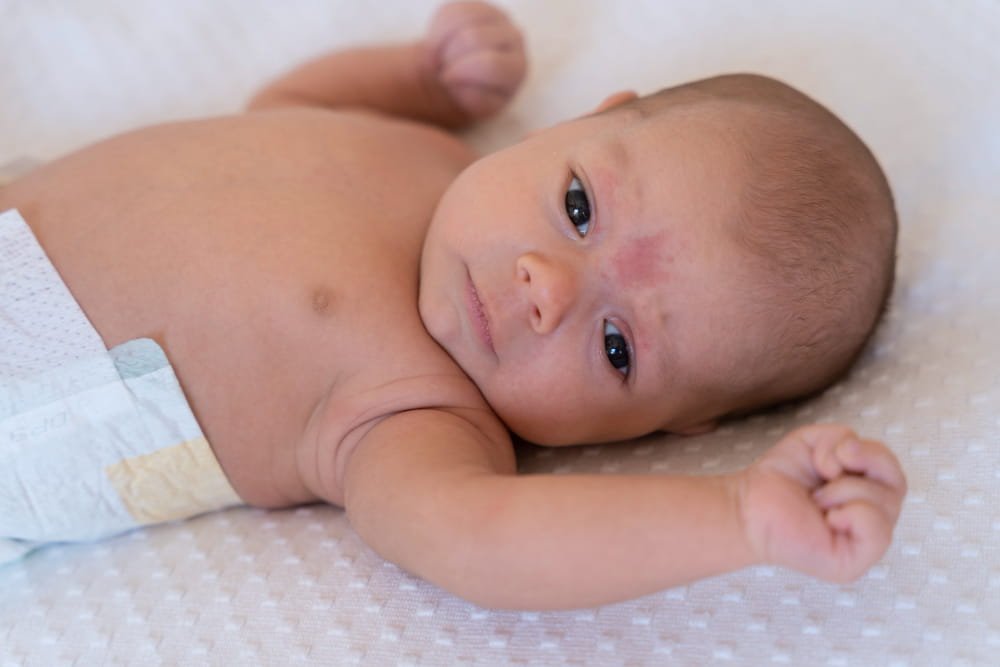
A newborn’s skin is soft, delicate, and highly sensitive. During the first few weeks and months of life, parents may notice various spots, rashes, bumps, or changes in their baby’s skin. While these changes can be alarming, most newborn skin problems are harmless and resolve on their own without treatment.
Since a baby’s skin is still adapting to the outside world, temporary skin conditions are quite common. However, certain rashes and symptoms may indicate an infection or medical condition that requires professional attention.
At Nest Newborn and Children’s Hospital, we help parents understand which skin changes are normal and when a pediatric evaluation is necessary.
Why Are Skin Problems Common in Newborns?
A newborn’s skin is much thinner and more sensitive than an adult’s skin. Furthermore, the skin barrier is still developing during the first few months of life.
As a result, babies are more likely to experience:
- Temporary rashes
- Dry skin
- Heat-related skin changes
- Irritation from diapers
- Mild allergic reactions
Fortunately, most newborn skin conditions improve naturally as the baby’s skin matures.
Baby Acne
One of the most common newborn skin conditions is baby acne.
What Does It Look Like?
Baby acne appears as:
- Small red or white bumps
- Pimples on the cheeks
- Tiny spots on the forehead
- Occasional bumps on the chin
Why Does It Happen?
Experts believe baby acne may be related to maternal hormones that remain in the baby’s body after birth.
Does It Need Treatment?
In most cases, baby acne disappears on its own within a few weeks or months.
Parents should:
- Wash the baby’s face gently with water
- Avoid scrubbing the skin
- Avoid applying adult acne products
Diaper Rash
Diaper rash is one of the most frequent skin problems seen in infants.
Common Symptoms
- Redness around the diaper area
- Irritated skin
- Mild swelling
- Discomfort during diaper changes
Causes of Diaper Rash
Several factors can contribute to diaper rash:
- Prolonged exposure to moisture
- Friction from diapers
- Sensitive skin
- Diarrhea
- Yeast infections
Prevention Tips
To reduce the risk of diaper rash:
- Change diapers frequently
- Keep the area clean and dry
- Allow diaper-free time when possible
- Use protective diaper creams if recommended
Heat Rash
Heat rash is especially common during hot and humid weather.
Signs of Heat Rash
- Tiny red bumps
- Small blisters
- Rash on the neck, chest, or back
- Mild skin irritation
Why It Happens
Heat rash develops when sweat becomes trapped under the skin.
How to Manage It
- Dress the baby in lightweight clothing
- Avoid overheating
- Keep rooms cool and well-ventilated
- Use breathable fabrics
Fortunately, heat rash often improves within a few days.
Dry and Peeling Skin
Many newborns develop dry or peeling skin during the first few weeks after birth.
Is It Normal?
Yes. Peeling skin is a normal adjustment as babies transition from the fluid-filled environment of the womb to the outside world.
Helpful Care Tips
- Use mild baby cleansers
- Avoid frequent bathing
- Apply baby-friendly moisturizers if needed
- Keep the skin hydrated
Most peeling improves naturally without special treatment.
Cradle Cap
Cradle cap is a common condition that affects the scalp.
Symptoms
- Yellow or white flaky scales
- Greasy patches on the scalp
- Mild redness
Causes
Cradle cap is believed to result from overactive oil glands in the skin.
Treatment
Parents can:
- Wash the scalp gently
- Use a soft baby brush
- Follow pediatric recommendations for scalp care
In most cases, cradle cap improves gradually over time.
Eczema in Babies
Eczema, also known as atopic dermatitis, can sometimes appear during infancy.
Common Signs
- Dry skin
- Red patches
- Itching
- Skin irritation
Common Areas Affected
- Cheeks
- Arms
- Legs
- Scalp
Managing Eczema
Helpful measures include:
- Regular moisturizing
- Avoiding harsh soaps
- Dressing babies in soft cotton clothing
- Preventing skin irritation
A pediatrician may recommend additional treatments if symptoms become severe.
Milia
Milia are tiny white bumps commonly seen on a newborn’s nose, cheeks, and chin.
What Causes Milia?
These small bumps occur when skin flakes become trapped beneath the skin’s surface.
Is Treatment Needed?
No treatment is usually necessary.
In fact, milia typically disappear naturally within a few weeks.
Newborn Birthmarks
Many babies are born with birthmarks or develop them shortly after birth.
Common birthmarks include:
- Mongolian spots
- Strawberry hemangiomas
- Salmon patches
- Café-au-lait spots
Most birthmarks are harmless. However, your pediatrician should evaluate any unusual changes in size, color, or appearance.
Skin Allergies in Babies
Occasionally, newborns may develop skin reactions to:
- Detergents
- Skin care products
- Fabrics
- Environmental irritants
Symptoms may include:
- Redness
- Itching
- Small bumps
- Dry patches
Therefore, using gentle baby products is recommended.
Tips for Healthy Newborn Skin
Simple skin care habits can help maintain healthy skin.
Choose Mild Products
Use fragrance-free baby cleansers and moisturizers whenever possible.
Avoid Over-Bathing
Newborns do not require daily baths. Excessive bathing can dry out the skin.
Dress Appropriately
Soft cotton clothing helps reduce irritation and allows the skin to breathe.
Protect Against Heat
Avoid overdressing and maintain a comfortable room temperature.
Keep Nails Trimmed
Short nails help prevent accidental scratching and skin irritation.
When Should Parents See a Doctor?
Although most newborn skin problems are harmless, certain symptoms require medical attention.
Consult a pediatrician if your baby has:
- A rash accompanied by fever
- Blisters or open sores
- Pus-filled bumps
- Rapidly spreading rash
- Significant swelling
- Severe itching
- Signs of infection
- Skin changes that do not improve
Early evaluation helps identify infections or other conditions that may need treatment.
Common Myths About Newborn Skin Problems
Myth: Every Rash Needs Medication
Most newborn rashes improve naturally without treatment.
Myth: Baby Acne Is Caused by Poor Hygiene
Baby acne is related to hormonal changes and is not caused by dirt.
Myth: Daily Bathing Improves Skin Health
Excessive bathing may actually dry and irritate sensitive skin.
Myth: All Birthmarks Are Dangerous
Most birthmarks are harmless and require only routine observation.
The Importance of Regular Pediatric Checkups
Routine newborn visits allow pediatricians to monitor skin health along with growth and development.
At Nest Newborn and Children’s Hospital, we assess common newborn skin conditions, provide personalized care advice, and help parents distinguish between normal skin changes and medical concerns.
Final Thoughts
Newborn skin problems are extremely common and are usually a normal part of early development. Conditions such as baby acne, diaper rash, heat rash, cradle cap, and dry skin often improve naturally with proper care and patience. However, parents should remain aware of warning signs that may require medical evaluation.
At Nest Newborn and Children’s Hospital, Nalgonda, we are committed to supporting families through every stage of newborn care. Our pediatric team provides expert guidance, early diagnosis, and compassionate care to ensure your baby’s skin remains healthy and comfortable during the precious first months of life.