
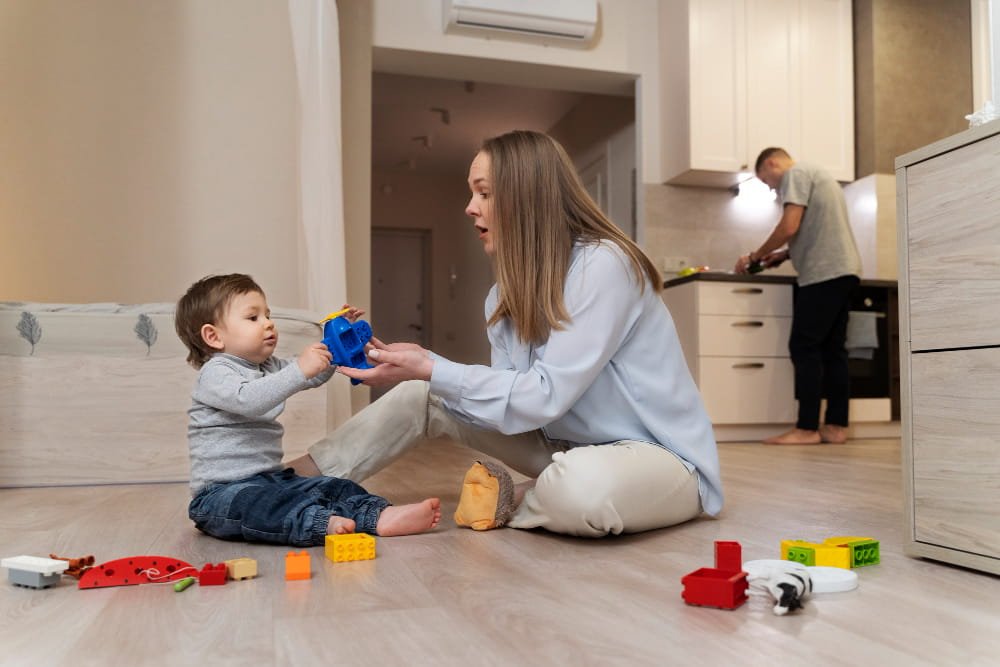
Home is where children learn, play, and grow. While it is often considered the safest place for a child, many accidents and injuries actually happen at home. Curious children naturally explore their surroundings, often without understanding potential dangers. As a result, simple household items and everyday situations can become safety hazards.
At Nest Newborn and Children’s Hospital, we believe that prevention is the best way to protect children from avoidable injuries. Creating a safe environment at home can significantly reduce the risk of accidents and give parents greater peace of mind.
This guide explains common household hazards and practical steps parents can take to keep children safe.
Why Child Safety at Home Matters
Children, especially infants and toddlers, are naturally curious. They touch, climb, pull, and explore objects without understanding the consequences.
Common home accidents include:
- Falls
- Burns
- Choking
- Poisoning
- Drowning
- Electric shocks
- Cuts and injuries
Most of these accidents can be prevented through proper supervision and simple safety measures.
Preventing Falls at Home
Falls are among the most common causes of childhood injuries.
Safety Tips
- Never leave babies unattended on beds, sofas, or changing tables.
- Install safety gates near staircases.
- Keep floors free from toys and clutter.
- Secure rugs to prevent slipping.
- Use window guards and safety locks.
- Ensure balconies have secure railings.
Children learning to walk are particularly vulnerable to falls, so close supervision is essential.
Protecting Children from Burns
Young children can easily get burned by hot liquids, food, or household appliances.
Burn Prevention Tips
- Keep hot drinks away from the edge of tables.
- Turn pot handles inward while cooking.
- Avoid carrying hot liquids while holding a child.
- Keep irons, heaters, and hot appliances out of reach.
- Check bath water temperature before placing a child in the tub.
Even minor burns can be painful and may require medical attention.
Preventing Choking Hazards
Babies and young children often put objects into their mouths, increasing the risk of choking.
Common Choking Hazards
- Small toys
- Coins
- Buttons
- Marbles
- Nuts
- Grapes
- Hard candies
Safety Measures
- Keep small objects out of reach.
- Cut food into small pieces.
- Supervise children during meals.
- Follow age recommendations on toys.
Prompt action during choking emergencies can save lives.
Safe Sleeping Practices for Babies
A safe sleeping environment reduces the risk of sleep-related accidents.
Recommended Sleep Safety Tips
- Place babies on their back for sleep.
- Use a firm mattress.
- Avoid pillows, blankets, and stuffed toys in the crib.
- Keep the sleeping area free from loose bedding.
- Ensure the crib meets safety standards.
Safe sleep practices are especially important during the first year of life.
Preventing Poisoning at Home
Many household products can be harmful if swallowed.
Common Household Dangers
- Cleaning products
- Medicines
- Cosmetics
- Pesticides
- Detergents
Poison Prevention Tips
- Store medicines in locked cabinets.
- Keep chemicals in original containers.
- Never refer to medicine as candy.
- Dispose of expired medications properly.
- Keep handbags containing medicines out of children’s reach.
Always seek immediate medical help if poisoning is suspected.
Electrical Safety for Children
Electrical injuries can be serious and sometimes life-threatening.
Electrical Safety Tips
- Cover unused electrical outlets.
- Keep electrical cords out of reach.
- Avoid overloading sockets.
- Repair damaged wires immediately.
- Teach older children basic electrical safety.
Childproof outlet covers are simple but effective safety tools.
Water Safety at Home
Drowning can happen quickly and silently, even in small amounts of water.
Water Safety Measures
- Never leave a child unattended in a bathtub.
- Empty buckets and tubs immediately after use.
- Cover water storage containers securely.
- Supervise children near swimming pools.
- Install barriers around pools when possible.
Constant supervision is the most effective way to prevent drowning.
Kitchen Safety for Children
The kitchen contains several potential hazards.
Keep Children Safe By
- Keeping sharp objects locked away.
- Storing matches and lighters out of reach.
- Using stove guards when possible.
- Keeping cleaning supplies in secure cabinets.
- Supervising children during cooking activities.
Creating a child-free zone near cooking areas can reduce accidents.
Furniture Safety
Children often climb furniture without realizing the risks.
Safety Recommendations
- Anchor heavy furniture to walls.
- Secure televisions properly.
- Avoid placing climbable objects near windows.
- Use corner protectors on sharp furniture edges.
These simple steps help prevent serious injuries.
Toy Safety Tips
Toys should always be age-appropriate.
Choose Toys That
- Match the child’s age and development level.
- Have no small detachable parts.
- Are made from non-toxic materials.
- Do not have sharp edges.
Regularly inspect toys for damage and discard broken items.
Internet and Digital Safety
As children grow older, online safety becomes increasingly important.
Digital Safety Tips
- Monitor internet use.
- Use parental controls.
- Teach children not to share personal information.
- Encourage open communication about online activities.
- Limit screen time appropriately.
Digital safety is an important part of modern child protection.
Creating a Childproof Home
A childproof home reduces risks while allowing children to explore safely.
Home Safety Checklist
- Install cabinet locks.
- Use safety gates.
- Cover electrical outlets.
- Secure furniture.
- Remove choking hazards.
- Lock medicines and chemicals.
- Ensure safe sleeping arrangements.
- Maintain close supervision.
Regularly reviewing home safety measures helps identify new risks as children grow.
Teaching Children About Safety
As children become older, teaching safety awareness becomes equally important.
Help children learn:
- Not to touch hot objects.
- Road and traffic safety basics.
- Safe use of household items.
- Stranger awareness.
- Emergency contact information.
Age-appropriate safety education helps children make better decisions.
When to Seek Medical Attention
Seek immediate medical care if your child experiences:
- Head injury after a fall
- Burns
- Poisoning
- Choking incidents
- Electric shock
- Difficulty breathing
- Severe cuts or bleeding
Quick medical evaluation can prevent complications and ensure proper treatment.
Final Thoughts
Most childhood accidents at home are preventable. By identifying hazards, childproofing your home, and maintaining close supervision, parents can create a safer environment where children can learn, play, and grow confidently.
At Nest Newborn and Children’s Hospital, Nalgonda, we are committed to promoting child health, safety, and well-being. Through preventive care and parental education, we help families protect children from avoidable injuries and ensure a healthier future.
A safe home is one of the greatest gifts parents can provide, and small safety measures today can prevent serious accidents tomorrow.