
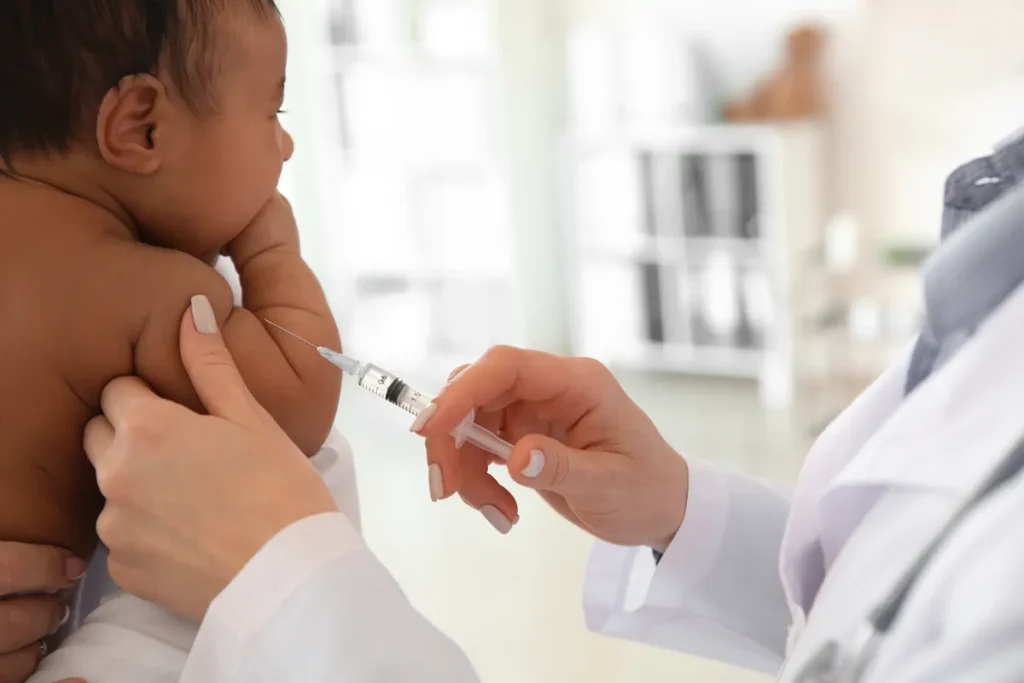
Immunization is one of the most effective ways to protect children from serious and potentially life-threatening diseases. From infancy through early childhood, vaccines play a crucial role in building immunity and ensuring healthy growth. Therefore, understanding the importance of immunization in children helps parents make informed decisions for their child’s well-being.
Why Immunization in Children Is Essential
Immunization in children helps the body develop protection against harmful infections without causing the disease itself. Vaccines prepare the immune system to fight viruses and bacteria effectively.
Moreover, timely vaccination reduces the risk of severe illnesses and complications. As a result, children are better protected during their most vulnerable years.
How Vaccines Protect Children
Vaccines work by stimulating the immune system to recognize and fight specific germs. Once vaccinated, the body can quickly respond if exposed to the same infection in the future.
In addition, immunization prevents the spread of diseases within communities. This collective protection is often referred to as herd immunity, which helps safeguard those who cannot be vaccinated.
Protection Against Serious Diseases
Immunization in children protects against many dangerous diseases such as measles, polio, hepatitis, and whooping cough. These illnesses can lead to severe complications if not prevented.
Furthermore, vaccines have significantly reduced the occurrence of many infectious diseases worldwide. Consequently, children today are safer and healthier than ever before.
Importance of Following the Vaccination Schedule
Following the recommended vaccination schedule is essential for maximum protection. Each vaccine is given at a specific age to ensure the child develops immunity at the right time.
Delaying or missing vaccines can increase the risk of infection. Therefore, parents should consult their pediatrician and keep track of their child’s immunization schedule.
Safety and Effectiveness of Vaccines
Vaccines undergo rigorous testing to ensure they are safe and effective. Health organizations closely monitor their use to maintain high safety standards.
While mild side effects like fever or soreness may occur, serious reactions are extremely rare. In comparison, the benefits of immunization far outweigh the risks.
Role of Parents in Child Immunization
Parents play a key role in ensuring their children receive timely vaccinations. Keeping records, attending regular checkups, and staying informed are important responsibilities.
Additionally, educating yourself about immunization helps reduce fears and misconceptions. As a result, you can make confident decisions for your child’s health.
Final Thoughts
The importance of immunization in children cannot be overstated. Vaccines protect against serious diseases, support healthy development, and contribute to a safer community.
By following the recommended schedule and staying informed, parents can give their children a strong foundation for a healthy future.