
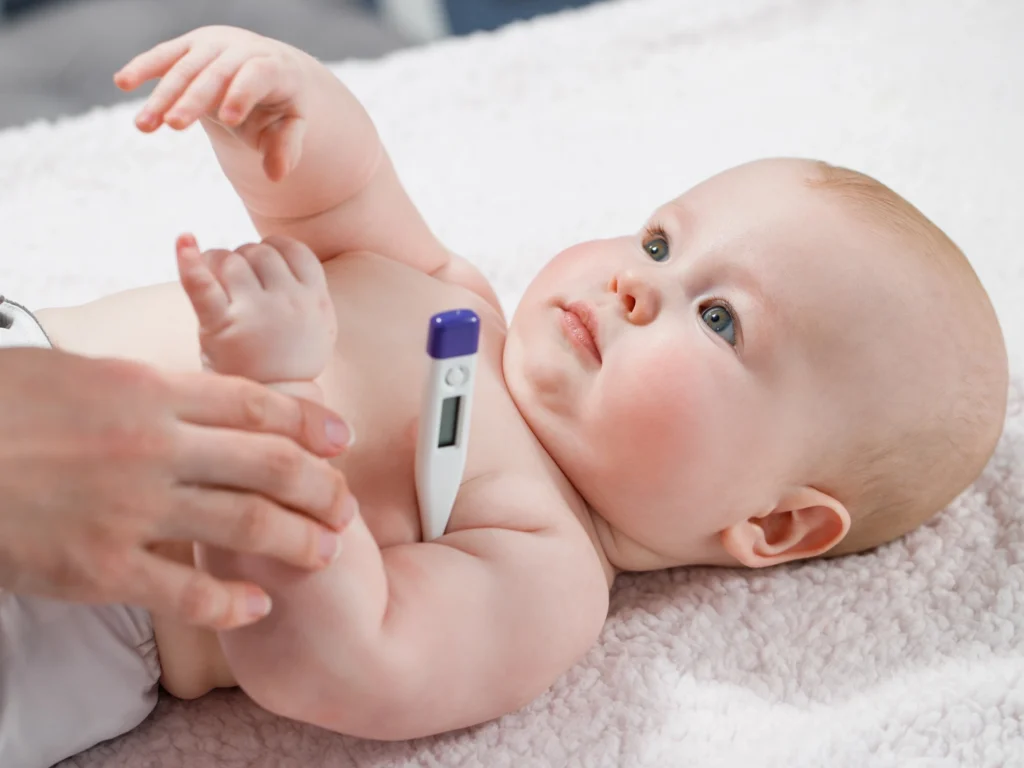
Febrile seizures in children are seizures triggered by a sudden rise in body temperature, usually during a fever. They commonly occur in infants and young children and can be frightening for parents to witness. Although most febrile seizures are not dangerous and do not cause long-term health problems, immediate care and medical evaluation are important for the child’s safety and well-being.
Understanding Febrile Seizures in Children
Febrile seizures typically occur when a child develops a high fever due to an infection or illness. During the seizure, the child may lose consciousness, shake uncontrollably, or become temporarily unresponsive. These episodes usually last for a short time and often stop on their own.
Common Causes of Febrile Seizures
The most common cause of febrile seizures is a rapid increase in body temperature. Viral and bacterial infections, including respiratory infections and ear infections, can trigger high fever in children. In some cases, vaccinations associated with fever may also contribute to febrile seizures.
Children between six months and five years of age are more likely to experience febrile seizures, especially if there is a family history of the condition.
Symptoms of Febrile Seizures
Febrile seizures often occur suddenly during a fever. Symptoms may include body shaking, stiff limbs, rolling eyes, temporary loss of consciousness, or unusual breathing patterns. After the seizure, the child may appear tired, confused, or sleepy for a short period.
Emergency Care During a Seizure
Providing calm and safe care during a febrile seizure is essential. The child should be placed on a safe surface and turned gently to one side to maintain clear breathing. Tight clothing around the neck should be loosened, and surrounding objects should be removed to prevent injury.
Parents should avoid placing anything inside the child’s mouth or trying to stop body movements forcefully. Monitoring the duration of the seizure is also important for medical evaluation.
Importance of Medical Evaluation
Although most febrile seizures are harmless, medical assessment helps identify the cause of the fever and rule out serious conditions. Pediatric evaluation is important, especially if the seizure lasts longer than a few minutes or occurs repeatedly.
Treatment and Fever Management
Treatment focuses on managing the underlying fever and preventing complications. Doctors may recommend medications to reduce fever and support recovery from infections. Maintaining hydration and monitoring temperature also help improve the child’s comfort during illness.
When to Seek Immediate Medical Help
Immediate medical attention is necessary if the seizure lasts longer than five minutes, breathing difficulty occurs, or the child does not regain consciousness quickly. Emergency care is also important if seizures occur repeatedly or are associated with severe symptoms.
Preventive Care Tips
While febrile seizures cannot always be prevented, early fever management may help reduce discomfort during illness. Monitoring body temperature, maintaining hydration, and seeking prompt medical care for infections support better child health.
Conclusion
Febrile seizures in children are usually linked to fever and are often temporary and manageable. Understanding the causes, recognizing symptoms, and providing proper emergency care help ensure the child’s safety and recovery. Timely pediatric evaluation and supportive care are important for managing fever-related conditions effectively.