
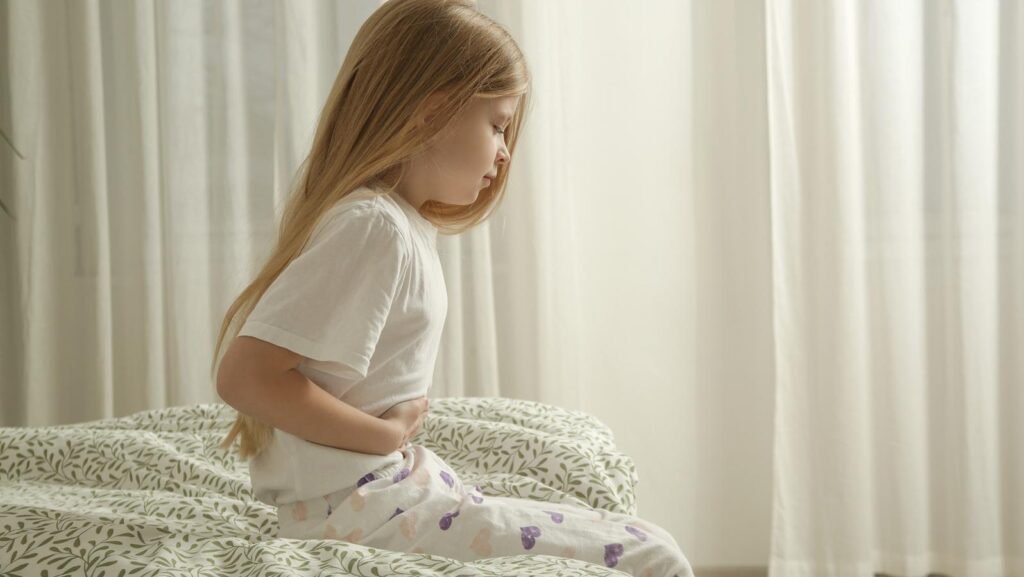
Diarrhea in children is a common digestive condition that causes frequent loose or watery stools. Although mild cases often improve within a few days, severe or persistent diarrhea can lead to dehydration and weakness if not managed properly. Understanding the causes, treatment methods, and preventive measures helps protect children’s health and supports faster recovery.
Understanding Diarrhea in Children
Diarrhea occurs when the digestive system is unable to absorb fluids properly, resulting in loose bowel movements. Children may experience mild discomfort, stomach cramps, or frequent trips to the bathroom. In many cases, diarrhea develops due to infections, food-related issues, or poor hygiene practices.
Common Causes of Diarrhea
Several factors can cause diarrhea in children. Viral and bacterial infections are among the most common reasons. Contaminated food or water can also lead to digestive infections. In addition, food intolerance, poor hygiene, and certain medications may contribute to digestive disturbances.
Some children may experience diarrhea after consuming foods that irritate the digestive system or during seasonal infections.
Symptoms Associated with Diarrhea
Children with diarrhea may experience abdominal pain, nausea, vomiting, fever, weakness, or loss of appetite. Frequent loose stools can quickly reduce body fluids and lead to dehydration. Signs of dehydration may include dry mouth, reduced urination, tiredness, or dizziness.
Importance of Hydration
Maintaining proper hydration is essential during diarrhea. Frequent fluid loss can weaken the body and affect overall health. Providing enough fluids and maintaining electrolyte balance help support recovery and prevent complications related to dehydration.
Treatment Options for Diarrhea
Treatment depends on the severity and cause of the condition. Mild diarrhea often improves with rest, hydration, and proper nutrition. In some cases, medical treatment may be required to manage infections or severe dehydration. Pediatric evaluation helps determine the most appropriate treatment approach.
Children should continue eating light and nutritious foods during recovery to support digestive health and energy levels.
Prevention Tips for Better Digestive Health
Preventive care plays an important role in reducing the risk of diarrhea in children. Encouraging regular handwashing, maintaining food hygiene, and providing clean drinking water help prevent infections. In addition, balanced nutrition and proper sanitation support better digestive health.
Avoiding contaminated foods and ensuring safe eating habits also reduce the chances of digestive illnesses.
When to Seek Medical Attention
Medical attention should be sought if diarrhea becomes severe, lasts for several days, or is associated with high fever, blood in stools, severe vomiting, or signs of dehydration. Early treatment helps prevent complications and supports faster recovery.
Conclusion
Diarrhea in children is a common but manageable digestive condition. Understanding the causes, maintaining hydration, and following proper treatment and prevention methods help improve recovery and protect overall health. Timely medical care and healthy hygiene practices play a key role in preventing complications and supporting better digestive wellness.