
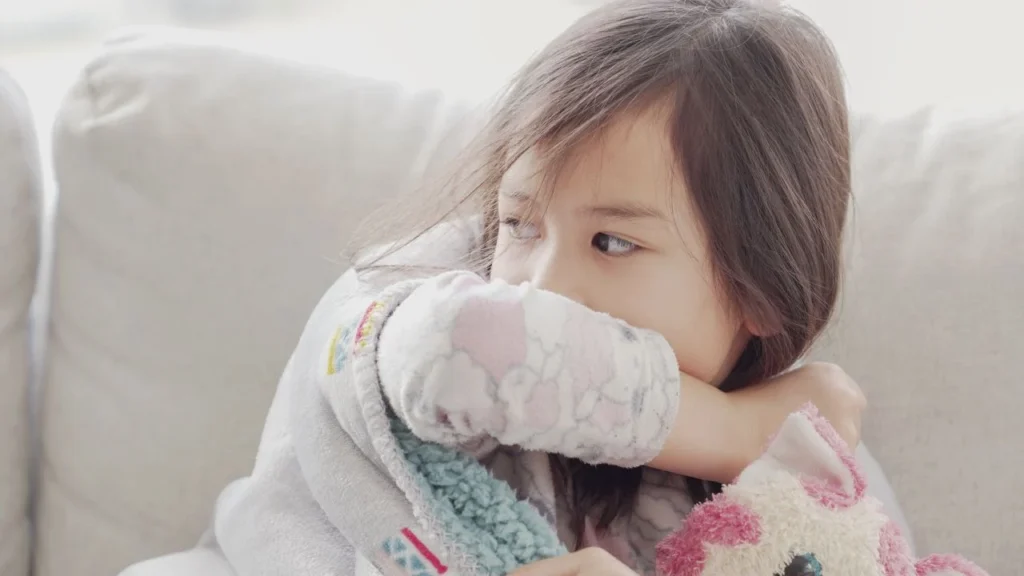
Persistent cough in children is a common health concern that can affect sleep, daily activities, and overall comfort. While occasional coughing is normal and helps clear the airways, a cough that continues for several days or weeks may indicate an underlying medical condition. Understanding the causes and seeking timely treatment are important for protecting a child’s respiratory health.
Understanding Persistent Cough in Children
A persistent cough is a cough that lasts longer than expected and does not improve with basic care. In children, it may occur due to infections, allergies, or respiratory conditions. Depending on the cause, the cough may be dry, wet, mild, or severe.
Common Causes of Persistent Cough
Several conditions can lead to persistent cough in children. Viral infections are among the most common causes and may continue even after other symptoms improve. Allergies, asthma, throat irritation, and sinus problems can also contribute to ongoing coughing.
In some cases, exposure to smoke, dust, pollution, or cold weather may worsen respiratory irritation and trigger coughing episodes.
Symptoms Associated with Persistent Cough
Children with persistent cough may also experience symptoms such as wheezing, fever, breathing difficulty, sore throat, nasal congestion, or fatigue. A nighttime cough or cough during physical activity may indicate an underlying respiratory condition that requires medical evaluation.
Importance of Early Diagnosis
Early diagnosis helps identify the exact cause of the cough and prevents complications. Pediatric evaluation may include reviewing symptoms, checking breathing patterns, and assessing overall respiratory health. Proper diagnosis ensures timely and effective treatment.
Treatment Options for Persistent Cough
Treatment depends on the underlying cause of the cough. Mild infections may improve with rest, hydration, and supportive care. Allergies and asthma-related cough may require medications and trigger management. In addition, maintaining proper hydration and avoiding respiratory irritants can help reduce symptoms.
Medical treatment should always be followed under professional guidance, especially if symptoms become severe or prolonged.
Home Care and Prevention Tips
Healthy home practices can support recovery and reduce coughing episodes. Keeping the child hydrated, maintaining clean indoor air, and avoiding smoke exposure are important steps. In addition, ensuring proper nutrition and adequate rest supports the immune system and overall respiratory health.
When to Seek Medical Attention
Parents should consult a doctor if the cough persists for several weeks, worsens over time, or is associated with breathing difficulty, chest pain, high fever, or wheezing. Immediate medical care may be required for severe respiratory distress.
Conclusion
Persistent cough in children can result from infections, allergies, asthma, or environmental factors. Early diagnosis and appropriate treatment help improve recovery and prevent respiratory complications. With proper medical care and healthy lifestyle practices, children can achieve better respiratory health and overall well-being.